
In the rapidly advancing world of wireless communications, radar systems, and high-speed data transmission, the performance of every system hinges on one critical component: the High Frequency PCB. As industries push into 5G infrastructure, automotive radar, satellite communications, and aerospace applications, the demands placed on circuit materials and fabrication precision have intensified dramatically. HONTEC has established itself as a trusted manufacturer of High Frequency PCB solutions, serving high-tech industries across 28 countries with specialized expertise in high-mix, low-volume, and quick-turn prototype production.
The behavior of signals at frequencies above 1 GHz introduces challenges that standard PCB materials cannot address. Signal loss, dielectric absorption, and impedance variations become magnified, requiring careful material selection and precise manufacturing controls. HONTEC combines advanced material capabilities with rigorous process control to deliver High Frequency PCB products that maintain signal integrity across the entire operating range.
Located in Shenzhen, Guangdong, HONTEC operates with certifications including UL, SGS, and ISO9001, while actively implementing ISO14001 and TS16949 standards. The company partners with UPS, DHL, and world-class freight forwarders to ensure efficient global delivery. Every inquiry receives a response within 24 hours, reflecting a commitment to responsive partnership that engineering teams worldwide value.
Material selection stands as the most critical decision in High Frequency PCB fabrication. Unlike standard FR-4, which exhibits significant dielectric constant variation and high loss at elevated frequencies, high-frequency applications require laminates with stable electrical properties across the operating range. HONTEC works with a comprehensive portfolio of high-performance materials. Rogers 4000 series materials offer an excellent balance of cost and performance for applications up to 8 GHz, providing consistent dielectric constant and low dissipation factor. For millimeter-wave applications extending to 100 GHz, Rogers 3000 series and Taconic RF-35 deliver the ultra-low loss characteristics required for 5G and automotive radar systems. PTFE-based materials provide superior electrical performance but require specialized handling due to their unique mechanical properties. The selection process involves evaluating operating frequency, environmental conditions, thermal management requirements, and budget constraints. HONTEC engineering team assists clients in matching material properties to specific application needs, ensuring that the final High Frequency PCB delivers consistent performance without unnecessary material costs. Factors such as coefficient of thermal expansion, moisture absorption, and copper adhesion strength also play significant roles, particularly for applications exposed to harsh environmental conditions.
Impedance control on a High Frequency PCB requires precision that extends beyond standard manufacturing practices. HONTEC employs a multi-stage approach that begins with accurate impedance calculation using field solvers that account for trace geometry, copper thickness, dielectric height, and material properties. During fabrication, each High Frequency PCB undergoes rigorous process control that maintains trace width variations within ±0.02 mm for critical impedance-controlled lines. The lamination process receives particular attention, as variations in dielectric thickness directly impact characteristic impedance. HONTEC utilizes impedance test coupons fabricated alongside each production panel, allowing verification using time-domain reflectometry equipment before boards proceed to final fabrication. For designs requiring differential pairs or coplanar waveguide structures, additional testing ensures that impedance matching meets specifications across the entire signal path. Environmental factors such as temperature and humidity are also controlled during fabrication to maintain consistent material behavior. This comprehensive approach ensures that High Frequency PCB designs achieve the impedance targets necessary for minimal signal reflection and maximum power transfer in RF and microwave applications.
Verifying the performance of a High Frequency PCB requires specialized testing that goes beyond standard electrical continuity checks. HONTEC implements a testing protocol designed specifically for high-frequency applications. Insertion loss testing measures signal attenuation across the intended frequency range, ensuring that material selection and fabrication processes have not introduced unexpected losses that could compromise system performance. Return loss testing verifies impedance matching and identifies any impedance discontinuities that could cause signal reflections. For High Frequency PCB designs incorporating antennas or RF front-end circuits, time-domain reflectometry provides detailed analysis of impedance profiles along transmission lines. HONTEC also performs micro-sectioning analysis to examine internal structures, verifying that layer alignment, via integrity, and copper thickness meet design specifications. For PTFE-based materials, plasma etching treatments and surface preparation are verified through peel strength testing to ensure reliable copper adhesion. Thermal cycling tests confirm that the High Frequency PCB maintains electrical stability across operating temperature ranges, which is particularly critical for automotive and aerospace applications. Each board is documented with test results, providing clients with traceable quality records that support regulatory compliance and field reliability expectations.
HONTEC maintains manufacturing capabilities spanning the full range of High Frequency PCB requirements. Standard configurations include simple 2-layer RF boards for antenna applications, while complex multilayer designs incorporate mixed dielectric materials that combine high-performance laminates for signal layers with cost-effective materials for non-critical layers.
Surface finish selection receives careful consideration, with immersion gold providing flat surfaces that maintain consistent impedance, and ENEPIG serving applications requiring wire bonding compatibility. Controlled depth routing and precision edge plating support specialized RF shielding requirements. HONTEC processes both prototype and production quantities with lead times optimized for engineering validation and volume manufacturing.
For engineering teams seeking a manufacturing partner capable of delivering reliable High Frequency PCB solutions, HONTEC offers technical expertise, responsive communication, and proven quality systems backed by international certifications.
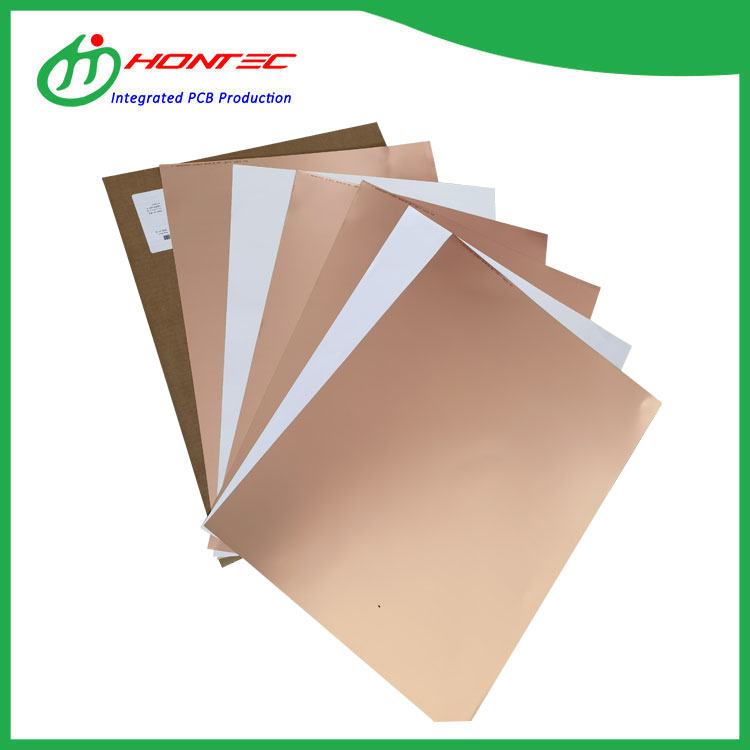
Ro3003 Material is a high frequency circuit material filled with PTFE composite material, which is used in commercial microwave and RF applications. The product series aims to provide excellent electrical and mechanical stability at competitive prices. Rogers ro3003 has excellent dielectric constant stability over the entire temperature range, including eliminating the change of dielectric constant when using PTFE glass at room temperature. In addition, the loss coefficient of the ro3003 laminate is as low as 0.0013 to 10 GHz.
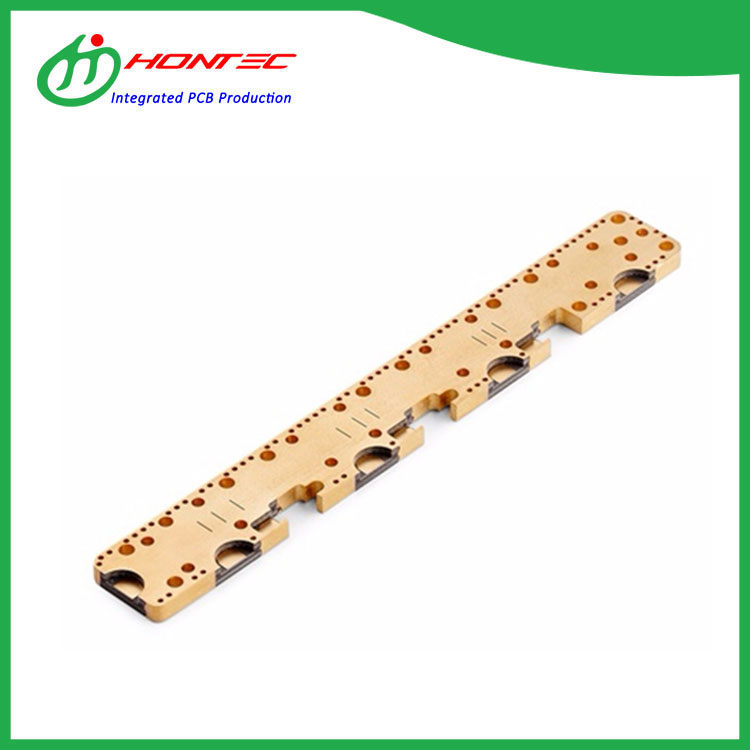
Ladder PCB technology can reduce the thickness of PCB locally, so that the assembled devices can be embedded in the thinning area, and realize the bottom welding of ladder, so as to achieve the purpose of overall thinning.
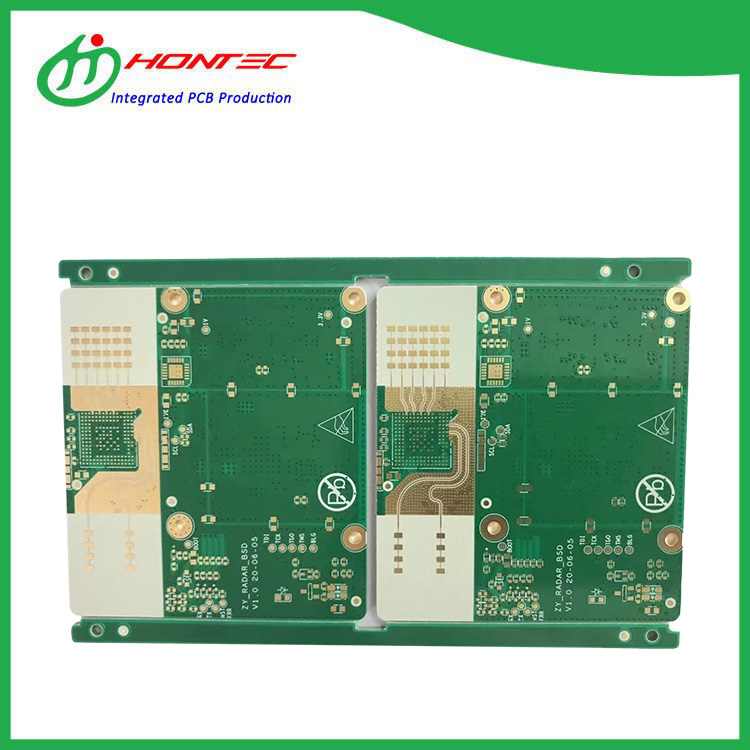
mmwave PCB-Wireless devices and the amount of data they process increase exponentially every year (53% CAGR). With the increasing amount of data generated and processed by these devices, the wireless communication mmwave PCB connecting these devices must continue to develop to meet the demand.
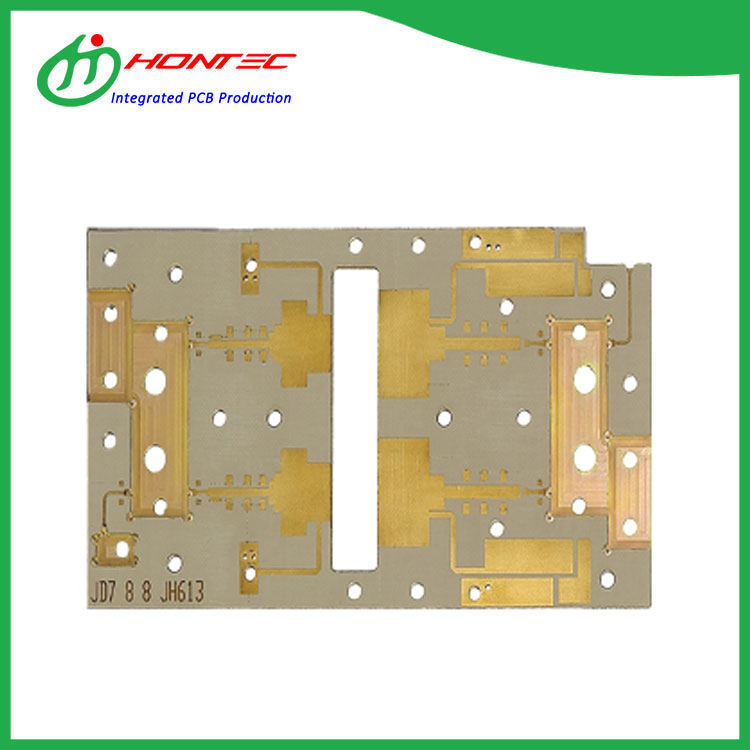
Arlon Electronic Materials Co., Ltd. is a well-known high-tech manufacturer, providing various high-tech electronic materials for the global high-tech printed circuit board industry. Arlon USA mainly produces thermosetting products based on polyimide, polymer resin and other high-performance materials, as well as products based on PTFE, ceramic filling and other high-performance materials! Arlon PCB processing and production
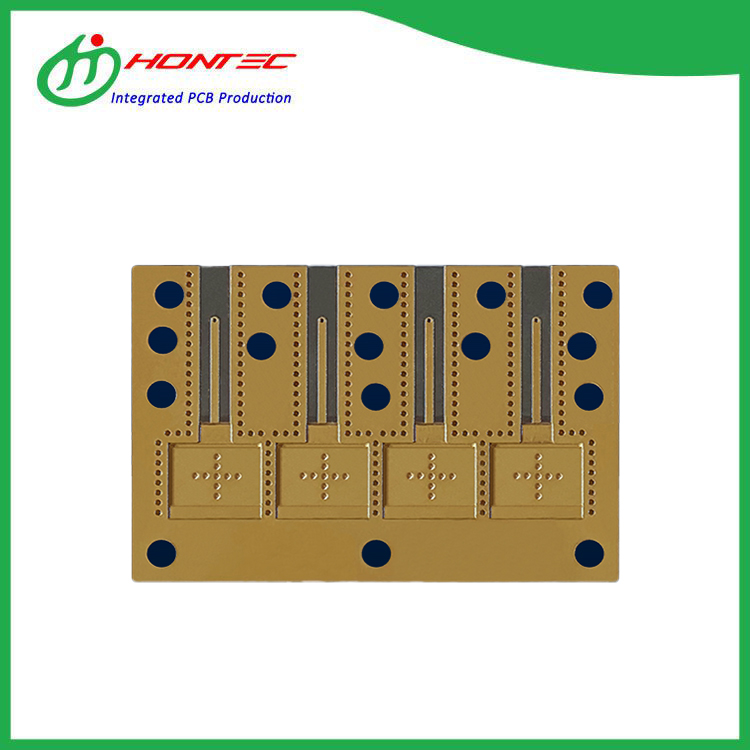
Microstrip PCB refers to high-frequency PCB. For special circuit board with high electromagnetic frequency, generally speaking, high frequency board can be defined as frequency above 1GHz. The high frequency board comprises a core plate with a hollow groove and a copper clad plate bonded to the upper surface and the lower surface of the core board through flow glue. The edges of the upper opening and the lower opening of the hollow groove are provided with ribs.
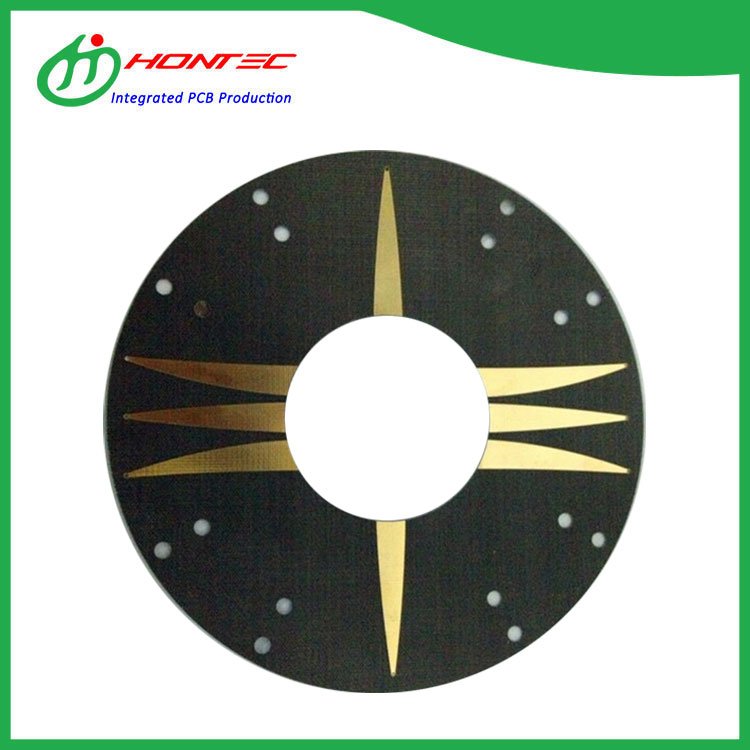
Rt5880 PCB is made of high-end military material of Rogers 5000 system. It has very small dielectric and ultra-low loss, which makes the simulation effect of the product excellent.