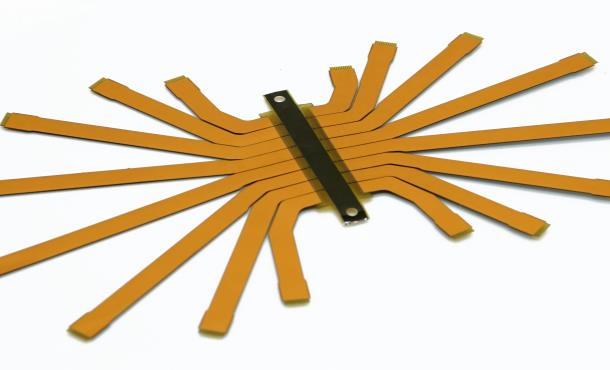
In an era where electronic devices continue to shrink while gaining functionality, the ability to fit circuits into unconventional shapes and moving assemblies has become essential. The FPC, or flexible printed circuit, provides the freedom to bend, fold, and conform to spaces that rigid boards cannot occupy. HONTEC has established itself as a trusted manufacturer of FPC solutions, serving high-tech industries across 28 countries with specialized expertise in high-mix, low-volume, and quick-turn prototype production.
The FPC represents a fundamental departure from traditional rigid circuit boards. Constructed on flexible polyimide or polyester substrates, these circuits maintain electrical connectivity while accommodating movement, vibration, and spatial constraints. Applications ranging from smartphone displays and laptop hinges to medical devices and automotive sensor systems increasingly depend on FPC technology to achieve the compact, reliable designs that modern products demand.
Located in Shenzhen, Guangdong, HONTEC combines advanced manufacturing capabilities with rigorous quality standards. Every FPC produced carries the assurance of UL, SGS, and ISO9001 certifications, while the company actively implements ISO14001 and TS16949 standards. With logistics partnerships that include UPS, DHL, and world-class freight forwarders, HONTEC ensures efficient global delivery. Every inquiry receives a response within 24 hours, reflecting a commitment to responsiveness that global engineering teams value.
The advantages of FPC technology extend across multiple dimensions of product design and manufacturing. Space savings represent one of the most significant benefits, as flexible circuits can be folded, bent, or rolled to fit within enclosures that would be impossible for rigid boards. A single FPC can replace multiple rigid boards and the connectors, cables, and harnesses that link them, reducing overall volume and weight dramatically. Reliability improves with FPC construction because the elimination of connectors and solder joints removes potential failure points. For applications subject to vibration or repeated movement, the flexible substrate absorbs mechanical stress rather than transferring it to solder connections. Dynamic flexibility allows FPC designs to accommodate moving components such as printer heads, folding displays, or robotic joints, maintaining electrical continuity through thousands or millions of motion cycles. Assembly efficiency increases as a single flexible circuit replaces multiple discrete components, reducing handling, placement time, and inventory complexity. HONTEC works with clients to evaluate product requirements against these advantages, identifying applications where FPC technology delivers the greatest return on investment. For products requiring miniaturization, weight reduction, or motion tolerance, FPC often proves the optimal solution.
Ensuring reliability in FPC designs subject to repeated dynamic flexing requires specialized engineering approaches that differ from static applications. HONTEC emphasizes bend radius as the critical parameter, with the ratio of bend radius to circuit thickness directly determining flex life. For dynamic applications requiring thousands or millions of cycles, a minimum bend radius of ten times the circuit thickness is recommended, with larger radii extending operational life. Trace routing within dynamic flex zones receives particular attention, with conductors arranged in staggered patterns rather than stacked vertically to distribute stress. HONTEC utilizes rolled annealed copper rather than electrodeposited copper for dynamic flex designs, as the grain structure of rolled annealed copper accommodates repeated bending without work hardening and cracking. Coverlay materials, rather than liquid solder mask, are applied to dynamic flex areas to provide mechanical protection while maintaining flexibility. The transition zones between rigid and flexible sections, when present, are designed with stress relief features that prevent concentrated bending at material boundaries. HONTEC performs flex cycle testing on dynamic FPC designs, verifying that circuits maintain electrical continuity through the required number of cycles. Thermal cycling testing complements flex testing, ensuring that temperature variations encountered during operation do not accelerate fatigue. This comprehensive approach ensures that FPC products deliver reliable performance throughout their expected service life.
Developing an FPC successfully requires design considerations that reflect the unique properties of flexible materials. HONTEC engineering team emphasizes material selection as the foundation of any FPC design. Polyimide substrates provide excellent thermal stability and chemical resistance, making them suitable for most applications including those requiring soldering assembly. Polyester substrates offer cost advantages for low-temperature applications but cannot withstand the thermal exposure of soldering. Copper weight selection influences both flexibility and current-carrying capacity, with thinner copper providing greater flexibility for dynamic applications. Trace geometry considerations include the use of curved rather than sharp corners to distribute stress, and the avoidance of abrupt changes in trace width that create stress concentration points. HONTEC advises clients on stiffener placement for areas requiring component support or connector mounting, with materials including polyimide, FR-4, or stainless steel selected based on thickness and rigidity requirements. Adhesive selection for bonding coverlay and stiffeners considers thermal performance, chemical resistance, and flexibility. Panelization of FPC designs requires attention to handling during assembly, with methods such as panel tabs or carrier systems that maintain dimensional stability through solder reflow. By addressing these considerations during design, clients achieve FPC solutions that balance flexibility, reliability, and manufacturability.
HONTEC maintains manufacturing capabilities spanning the full range of FPC requirements. Single-layer flexible circuits support simple interconnection applications, while double-layer and multilayer constructions enable complex routing and component integration. Rigid-flex hybrid constructions combine flexible circuits with rigid board sections, providing the benefits of both technologies within a unified assembly.
Material options include standard polyimide for general applications, low-loss materials for high-frequency flexible designs, and adhesiveless laminates for applications requiring enhanced thermal stability and reliability. Surface finish selections include ENIG for solderable areas and immersion silver for applications requiring fine-pitch component assembly.
For engineering teams seeking a manufacturing partner capable of delivering reliable FPC solutions from prototype through production, HONTEC offers technical expertise, responsive communication, and proven quality systems backed by international certifications.
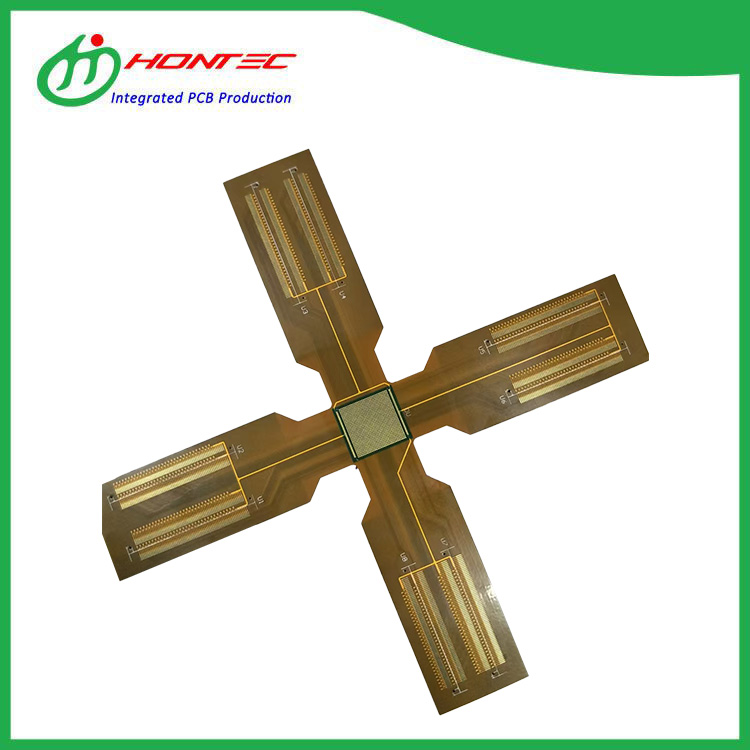
R-f775 FPC is a flexible circuit board made of r-f775 flexible material developed by songdian. It has stable performance, good flexibility and moderate price
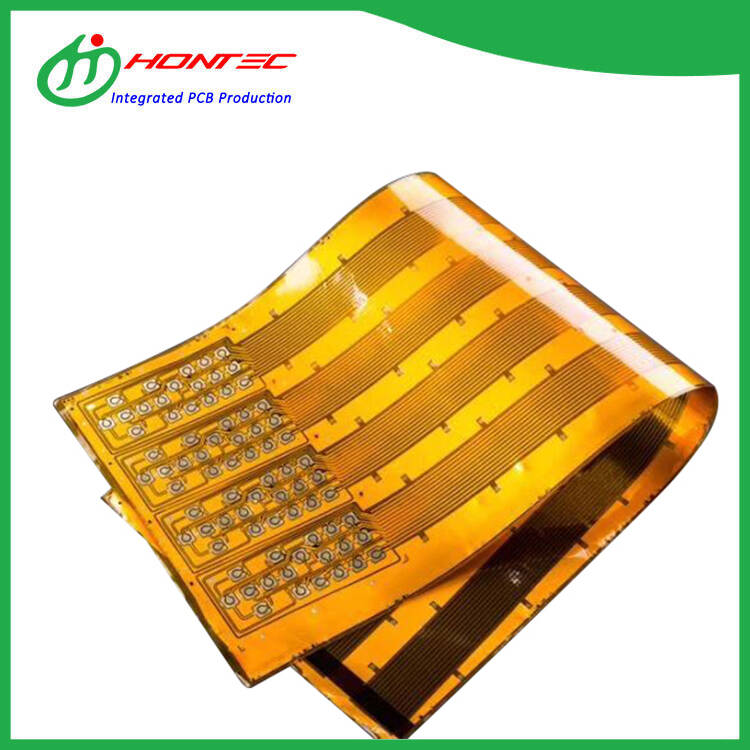
FPC flexible board is a kind of flexible printed circuit board which is made of polyimide or polyester film with high reliability and excellent flexibility. It has the characteristics of high density, light weight, thin thickness and good bending property.
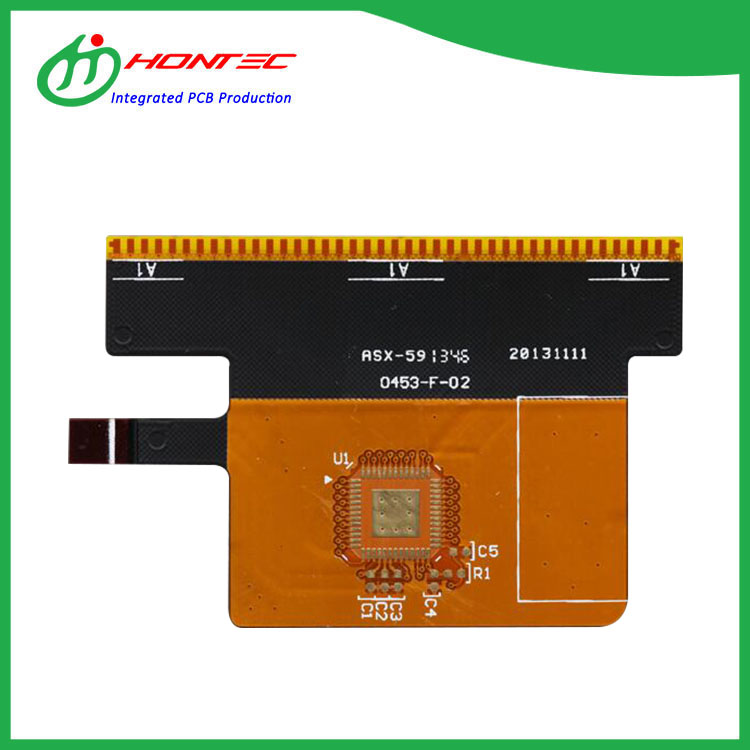
Tablet PC capacitive screen FPC: high light transmittance, multi-touch, not easy to scratch. However, the cost is high, and charge sensing can only be operated by fingertips. Oil, water vapor and other liquids can affect the touch operation. It can only be rotated 90 degrees or 180 degrees. HONTEC uses a new manufacturing method to improve the reliability of the installation and use of capacitive screen FPC, greatly improving the poor contact caused by the installation, the lamp is not bright, the black screen and other phenomena.
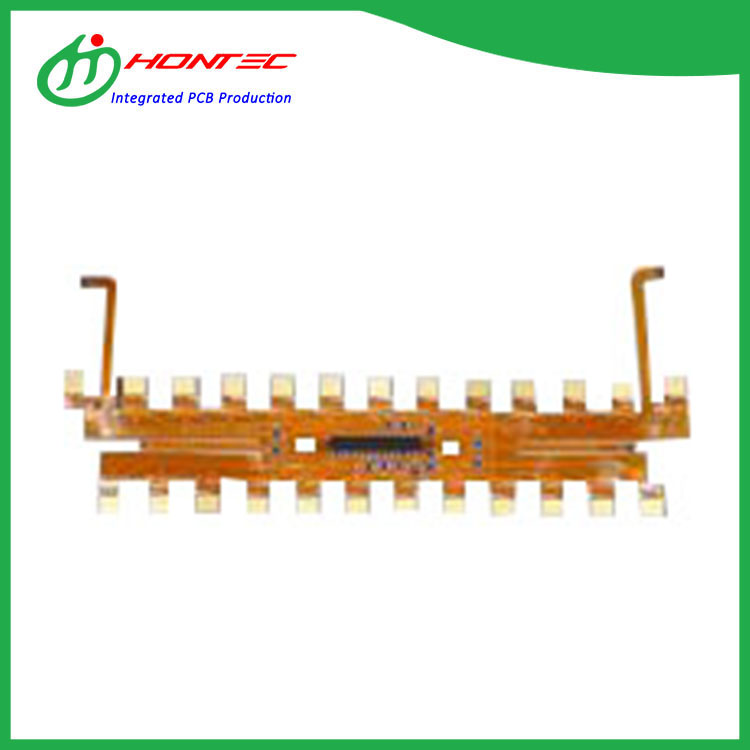
DuPont FPC cable board is small in size and light in weight. DuPont material FPC cable board original design of the cable board was used to replace the larger wire harness wire. In the current cutting-edge electronic device assembly board,DuPont material FPC cable board is usually the only solution to meet the requirements of miniaturization and movement.
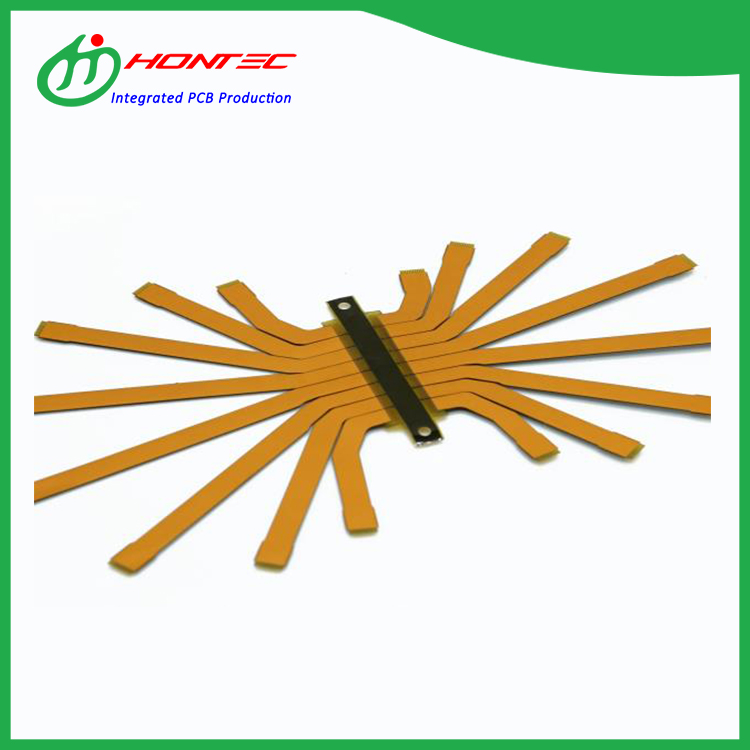
Medical ultrasound probes are devices that transmit and receive ultrasound during the ultrasound testing process. The performance of the probe directly affects the characteristics of ultrasonic waves and the detection performance of ultrasonic waves.The following is about Medical ultrasound probe FPC related, I hope to help you better understand Medical ultrasound probe FPC.
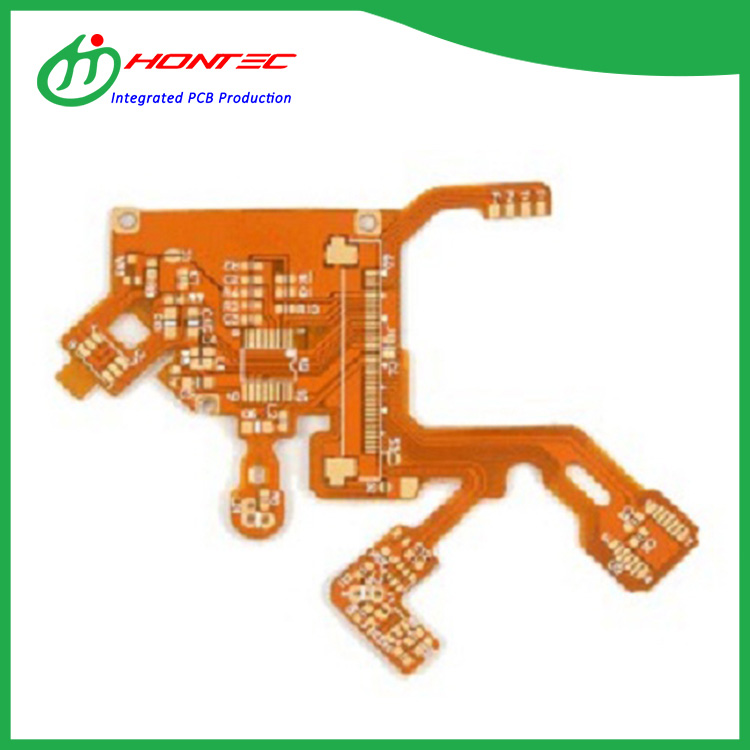
FPC,Flexible Printed Circuit, or FPC for short, is a highly reliable and excellent flexible printed circuit board made of polyimide or polyester film as the substrate. It has the characteristics of high wiring density, light weight, thin thickness and good bendability.