
In applications where traditional circuit board materials reach their limits, the Ceramic PCB delivers unmatched thermal conductivity, electrical insulation, and dimensional stability. From high-power LED lighting and automotive power modules to aerospace electronics and medical devices, Ceramic PCB technology enables reliable operation under conditions that would compromise conventional FR-4 constructions. HONTEC has established itself as a trusted manufacturer of Ceramic PCB solutions, serving high-tech industries across 28 countries with specialized expertise in high-mix, low-volume, and quick-turn prototype production.
The unique properties of Ceramic PCB set it apart from traditional circuit board technologies. Unlike organic substrates that degrade at elevated temperatures, ceramic materials maintain their electrical and mechanical characteristics across a wide temperature range. With thermal conductivity significantly higher than standard FR-4, Ceramic PCB construction efficiently dissipates heat from power-dense components, reducing operating temperatures and extending system reliability. Applications requiring high voltage isolation, superior chemical resistance, or exceptional dimensional stability under thermal cycling increasingly depend on Ceramic PCB technology to meet their performance targets.
Located in Shenzhen, Guangdong, HONTEC combines advanced manufacturing capabilities with rigorous quality standards. Every Ceramic PCB produced carries the assurance of UL, SGS, and ISO9001 certifications, while the company actively implements ISO14001 and TS16949 standards. With logistics partnerships that include UPS, DHL, and world-class freight forwarders, HONTEC ensures efficient global delivery. Every inquiry receives a response within 24 hours, reflecting a commitment to responsiveness that global engineering teams value.
Ceramic PCB fabrication utilizes several distinct ceramic materials, each offering specific properties suited to different applications. Aluminum oxide is the most commonly used ceramic substrate, providing excellent electrical insulation, good thermal conductivity around 20-30 W/m·K, and cost-effectiveness for general applications. HONTEC recommends aluminum oxide for LED lighting, power modules, and automotive electronics where reliable thermal management is required without premium material costs. Aluminum nitride offers significantly higher thermal conductivity, reaching 150-200 W/m·K, making it the preferred choice for high-power applications where heat dissipation is critical. This material is ideal for RF power amplifiers, high-brightness LED arrays, and power semiconductor modules. Beryllium oxide provides exceptional thermal conductivity but requires specialized handling due to toxicity considerations, making it suitable only for specific aerospace and defense applications. Low-temperature co-fired ceramic enables multilayer Ceramic PCB construction with embedded passive components, supporting complex circuit integration for RF and microwave applications. HONTEC engineering team assists clients in selecting the appropriate ceramic material based on thermal requirements, operating frequency, voltage isolation needs, and budget constraints, ensuring that the final Ceramic PCB delivers optimal performance for the specific application.
The thermal performance of Ceramic PCB differs fundamentally from both FR-4 and metal-core PCB technologies. Standard FR-4 exhibits thermal conductivity around 0.2-0.4 W/m·K, making it a thermal insulator rather than a conductor. Heat generated by components on FR-4 boards must transfer primarily through component leads and vias, creating thermal bottlenecks that limit power handling. Metal-core PCBs utilize aluminum or copper base layers with dielectric insulation, achieving effective thermal conductivity in the range of 1-3 W/m·K for the overall structure, with performance dependent on the dielectric layer thickness and composition. Ceramic PCB offers bulk thermal conductivity ranging from 20 W/m·K for aluminum oxide to over 150 W/m·K for aluminum nitride, providing direct heat spreading through the substrate itself. This superior thermal performance enables Ceramic PCB designs to handle significantly higher power densities than metal-core alternatives while maintaining more uniform temperature distribution across the board surface. Additionally, the coefficient of thermal expansion of ceramic closely matches that of semiconductor materials, reducing mechanical stress on solder joints during thermal cycling. HONTEC provides thermal analysis support to help clients evaluate whether Ceramic PCB, metal-core PCB, or FR-4 construction best suits their specific power dissipation requirements and operating environment.
Ceramic PCB technology delivers maximum value in applications where thermal management, high-frequency performance, or reliability under extreme conditions are paramount. High-power LED lighting represents one of the largest application areas, where Ceramic PCB construction enables efficient heat extraction from LED junctions, maintaining luminous efficacy and extending operational life. Automotive power modules, including DC-DC converters, inverters, and battery management systems, utilize ceramic substrates to handle the high currents and elevated temperatures encountered in electric and hybrid vehicles. RF and microwave applications benefit from the stable dielectric properties of ceramic materials, which maintain consistent impedance and low signal loss across frequency ranges where organic substrates show significant variation. Medical devices requiring biocompatibility and sterilization compatibility often specify Ceramic PCB construction due to ceramic's inert nature and resistance to degradation. HONTEC advises clients on design considerations specific to ceramic fabrication, including via formation techniques suitable for hard materials, metallization adhesion requirements, and the importance of proper thermal interface design between components and the ceramic substrate. The engineering team also addresses the mechanical considerations of ceramic brittleness, providing guidance on mounting strategies and handling requirements that ensure reliable assembly and field performance.
HONTEC maintains manufacturing capabilities spanning the full range of Ceramic PCB requirements. Single-layer ceramic substrates support simple circuit designs with direct metallization patterns, while multilayer ceramic constructions enable complex routing and embedded passive component integration for space-constrained applications.
Metallization options for Ceramic PCB fabrication include thick-film processing with silver, gold, or copper conductors, as well as direct bond copper technology that provides excellent adhesion and high current-carrying capacity. Surface finish selections are tailored to ceramic substrates, with immersion gold and ENIG processes optimized for reliable solder wetting on ceramic metallization.
For engineering teams seeking a manufacturing partner capable of delivering reliable Ceramic PCB solutions from prototype through production, HONTEC offers technical expertise, responsive communication, and proven quality systems backed by international certifications.
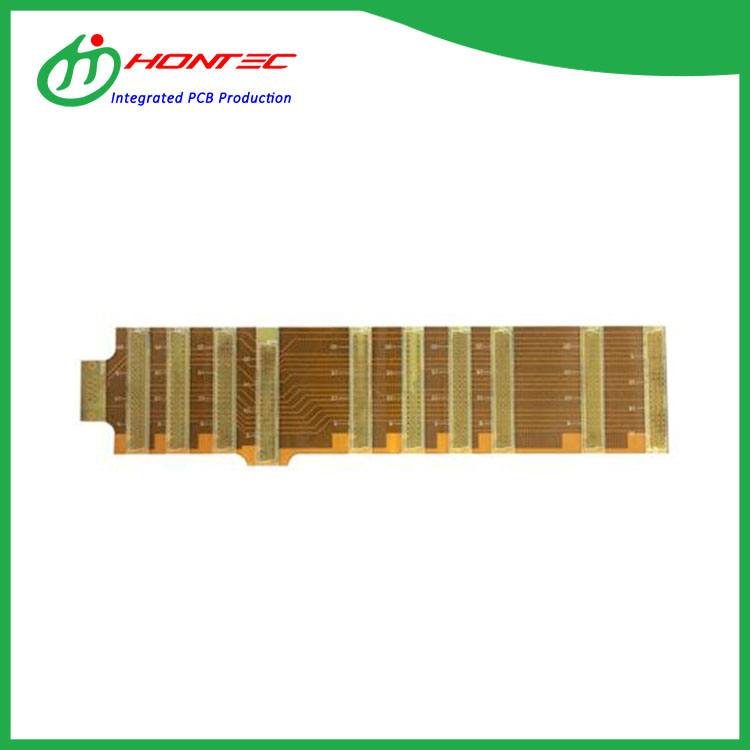
car Ceramic PCB is an ideal material for large-scale integrated circuits, semiconductor module circuits and high-power devices, heat dissipation materials, circuit components and interconnection line carriers.The following is about New energy car ceramic board, I hope to help you better understand New energy car ceramic board.
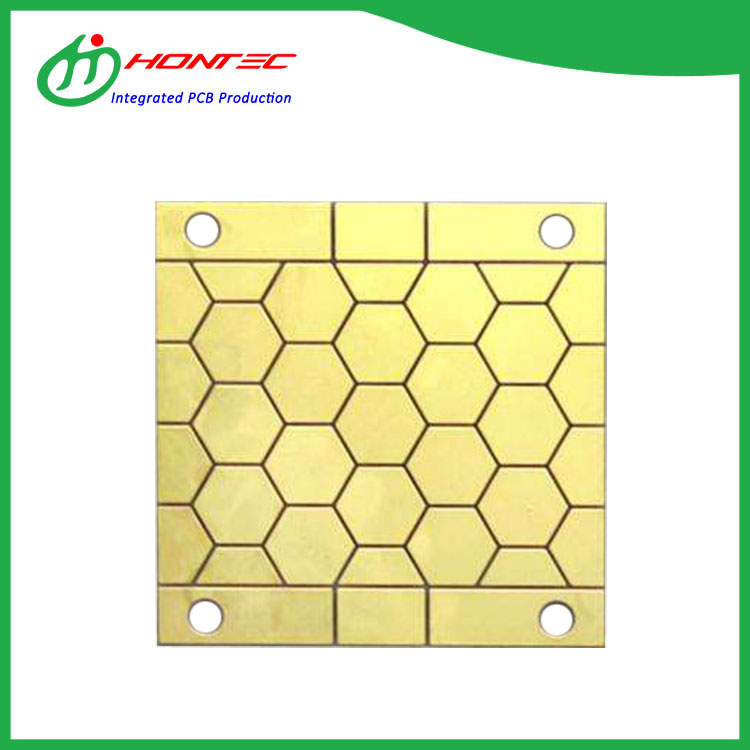
The alumina ceramic substrate series can effectively reduce the junction temperature of the headlight LED of the car, thereby greatly increasing the service life and luminous efficiency of the LED, and is especially suitable for use in a sealed environment with high stability requirements, a more demanding ambient temperature.The following is about Alumina Ceramic PCB, I hope to help you better understand Alumina Ceramic PCB.
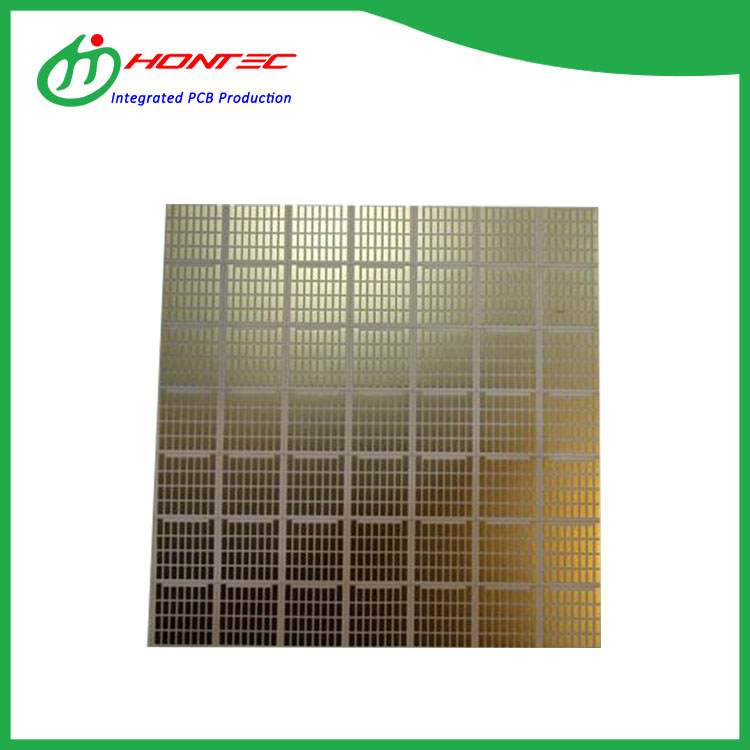
Aluminum nitride ceramic PCB is a ceramic material with aluminum nitride (AIN) as the main crystal phase, and then the metal circuit is etched on the aluminum nitride ceramic substrate, which is the aluminum nitride ceramic substrate. The thermal conductivity of aluminum nitride is several times higher than that of aluminum oxide, has good thermal shock resistance, and has excellent corrosion resistance. The following is aboutAluminum nitride ceramic, I hope to help you better understand Aluminum nitride ceramic.
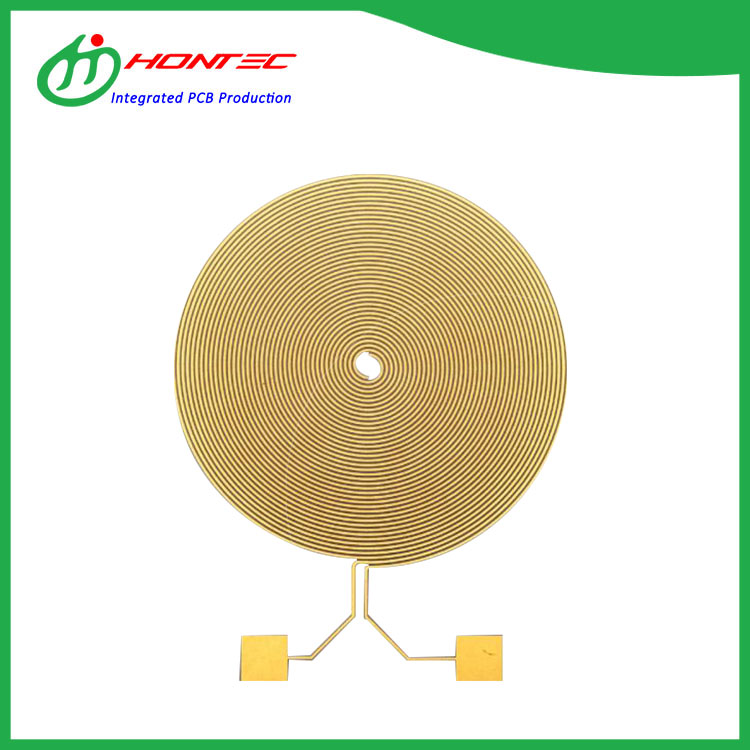
sensors ceramic PCB are produced by a ceramic material with piezoelectric properties. Piezoelectric ceramics have a peculiar piezoelectric effect. When subjected to a small external force, they can convert mechanical energy into electrical energy, and when alternating voltage is applied, electrical energy can be converted into mechanical energy.The following is about Piezoelectric ceramic sensor, I hope to help you better understand Piezoelectric ceramic sensor.
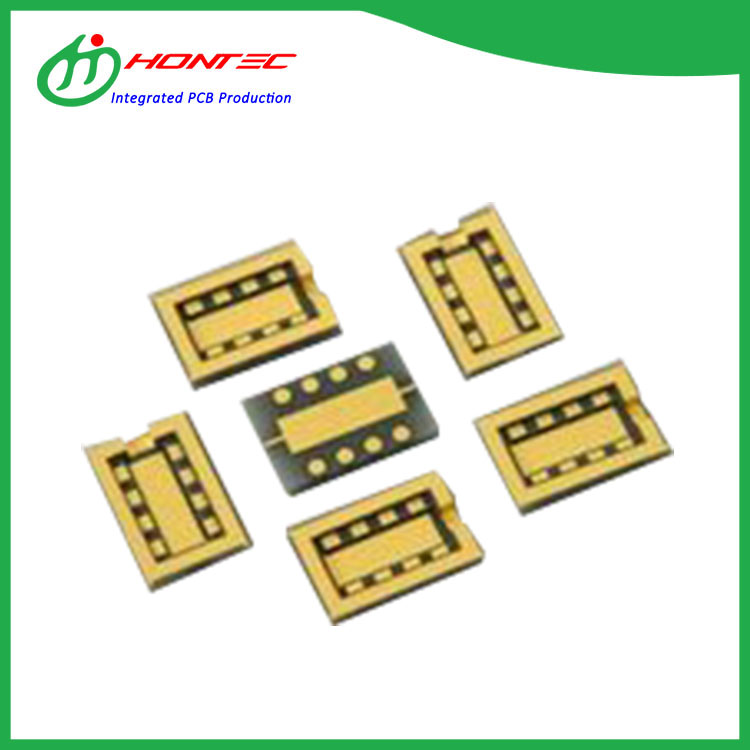
Al2O3 PCB has excellent corrosion resistance, and has high thermal conductivity, excellent chemical stability and thermal stability, and other properties that organic substrates do not have. Aluminum Nitride Ceramic base board an ideal packaging material for a new generation of large-scale integrated circuits and power electronic modules. The following is about Al2O3 PCB I hope to help you better understand Al2O3 PCB.
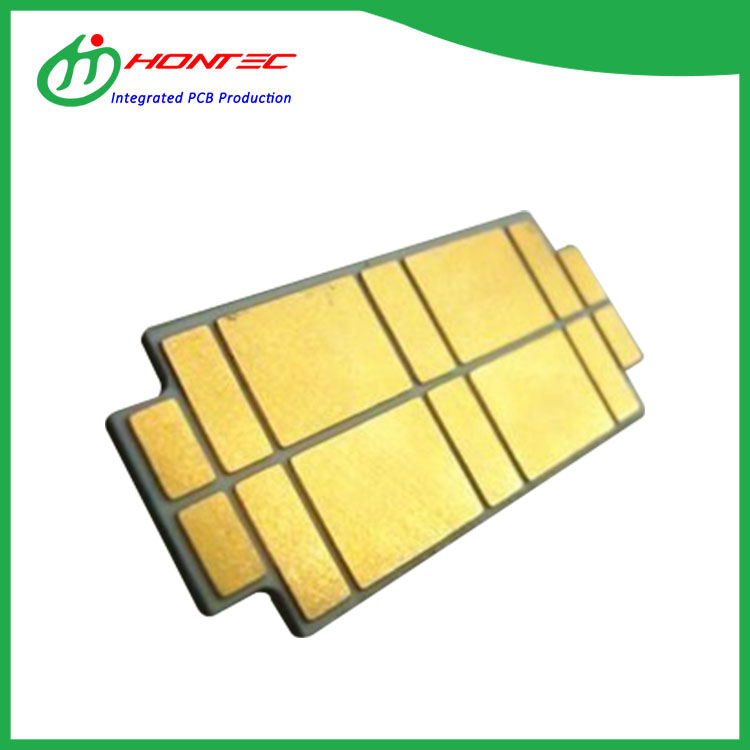
High-power LED ceramic PCB--High-power LED copper-clad ceramic circuit board can effectively solve the heat dissipation problem of high-power LED thermal skew,Aluminum Nitride Ceramic base board substrate has the best overall performance and is the ideal substrate material for future high-power LEDs.